
Beyond Immunity: 7 Surprising Benefits of Daily Vitamin C

Share
When you hear “Vitamin C,” the first thing that probably comes to mind is immunity, oranges, or a supplement you take during cold and flu season.
While Vitamin C is certainly important for normal immune function, its role in the body goes far beyond immunity. This essential nutrient is involved in collagen formation, iron absorption, antioxidant protection, skin health and several other processes that happen inside your body every day.
That makes Vitamin C much more than just an “immunity vitamin.”
Here are seven important benefits of Vitamin C that you may not know about.
1. Supports Collagen Formation for Skin, Bones and Joints
Collagen is one of the most important proteins in the human body. It provides structure to the skin, bones, cartilage, tendons and ligaments.
Vitamin C plays an essential role in collagen formation. Your body needs adequate Vitamin C to produce collagen properly and maintain healthy connective tissues.
This is one reason Vitamin C is so closely associated with healthy skin. But its role isn't limited to appearance. Collagen is also important for maintaining the structure of connective tissues and supporting normal wound healing.
So, when you think about Vitamin C for skin, think beyond just “glowing skin.” It is also part of the biological process that helps your body build and maintain collagen.
2. Helps Your Body Absorb Iron
Iron is an essential mineral that your body needs for several important functions, including the production of haemoglobin and the transportation of oxygen.
However, the body does not absorb all forms of dietary iron equally.
Vitamin C can improve the absorption of non-heme iron, which is the type of iron commonly found in plant-based foods such as lentils, beans, spinach and other vegetables.
This is particularly useful when following a diet that relies heavily on plant-based sources of iron.
A simple combination such as adding Vitamin C-rich foods to a meal containing plant-based iron can help your body make better use of the iron in that meal.
3. Provides Antioxidant Protection
Every day, your body naturally produces free radicals as part of normal metabolism. Environmental factors such as pollution and UV exposure can also contribute to oxidative stress.
Vitamin C is an important antioxidant that helps protect cells from oxidative damage.
It also works as part of the body's wider antioxidant system and can help regenerate Vitamin E, another important antioxidant.
This doesn't mean Vitamin C can eliminate all oxidative stress. Rather, it is one of the nutrients your body uses to maintain its natural defence against oxidative processes.
4. Supports Normal Immune Function
This is probably the most well-known benefit of Vitamin C.
Vitamin C contributes to the normal functioning of the immune system and is involved in various cellular processes that help support the body's immune response.
However, Vitamin C should not be thought of as a magic solution for preventing illness.
Good immune health depends on many factors, including a balanced diet, adequate sleep, physical activity and overall lifestyle.
Vitamin C is simply one important part of that nutritional foundation.
5. Supports Healthy Skin and an Even Skin Tone
Vitamin C has become a popular nutrient in the world of skincare, particularly because of its relationship with collagen production and antioxidant protection.
Vitamin C is also involved in processes related to melanin production, which is why Vitamin C-based skincare products are commonly used as part of routines focused on uneven skin tone and the appearance of pigmentation.
However, nutrition and topical skincare are not the same thing. A Vitamin C supplement provides nutritional support from within, while topical Vitamin C products are designed specifically for application to the skin.
The bigger picture is that Vitamin C plays multiple roles in maintaining healthy skin, both through collagen formation and antioxidant activity.
6. Plays a Role in Neurotransmitter Production
Vitamin C isn't only involved in skin and immunity. It also plays a role in the nervous system.
The body requires Vitamin C for the biosynthesis of certain neurotransmitters, including norepinephrine.
Neurotransmitters are chemical messengers involved in communication between nerve cells and throughout the nervous system.
This doesn't mean that taking additional Vitamin C will automatically improve concentration, mood or brain performance. Instead, it highlights how many different biochemical processes depend on having adequate nutrients available to the body.
7. Supports the Body During Everyday Physical Stress
Your body is constantly adapting to physical and environmental demands.
Exercise, busy routines, environmental exposure and everyday stress can all increase the body's need to maintain its normal antioxidant and metabolic systems.
Vitamin C contributes to several processes involved in this response, including antioxidant protection, collagen formation and normal immune function.
This is why Vitamin C is better viewed as part of a consistent nutritional routine rather than something that should only be considered when you feel unwell.

Why Getting Enough Vitamin C Matters
Your body does not store large amounts of Vitamin C, which means regular intake is important.
Fortunately, Vitamin C is naturally available in many fruits and vegetables, including oranges, lemons, strawberries, bell peppers, tomatoes and broccoli.
For many people, a balanced diet can provide Vitamin C. However, maintaining a consistent nutritional routine can sometimes be difficult, especially with busy schedules, irregular meals or changing dietary habits.
This is where supplementation can offer convenience.
And when choosing a supplement, it isn't only the nutrient itself that matters. The delivery format can also influence how convenient it is to use consistently.
Why the Delivery Format Matters
Traditional supplements are commonly available as tablets or capsules. While these work well for many people, not everyone enjoys swallowing pills every day.
This is where oral sprays offer a convenient alternative.
A sublingual oral spray is designed to be sprayed under the tongue, providing a simple and convenient way to include a nutrient in your daily routine.
There is no need to carry a bottle of tablets or find water whenever you want to take your supplement.
For people who value convenience and consistency, a spray format can make daily supplementation easier to fit into everyday life.

Vitamin C in a Convenient Sublingual Spray
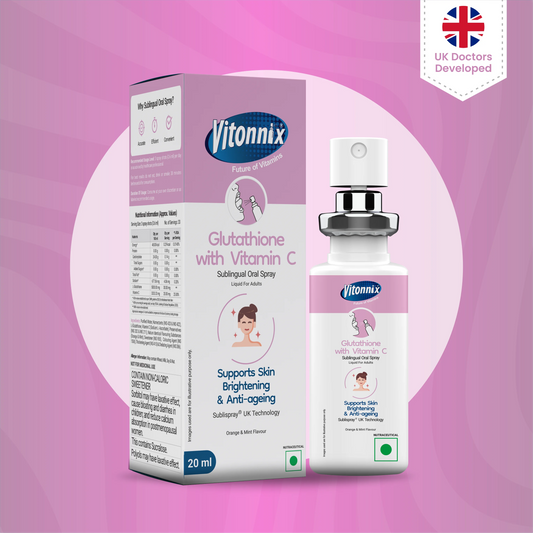
Vitonnix Vitamin C Sublingual Oral Spray combines Vitamin C with a convenient spray format designed for everyday use.
The spray is used under the tongue as directed, making it easy to incorporate into your daily wellness routine.
The idea is simple: make daily Vitamin C supplementation convenient, easy to use and suitable for modern lifestyles.
Whether you're at home, at work or travelling, an oral spray can be a practical alternative to conventional tablets.
The Bigger Picture: Vitamin C Is More Than Immunity
Vitamin C has earned its reputation as an important nutrient for immune health, but its role goes much further.
It contributes to collagen formation, helps improve the absorption of plant-based iron, provides antioxidant protection, supports normal immune function and plays a role in neurotransmitter production.
The key is not to think of Vitamin C as a quick fix.
Instead, think of it as one part of a consistent, balanced approach to nutrition and everyday wellness.
And when convenience helps you stay consistent, choosing a format that fits naturally into your routine can make supplementation easier.
Vitonnix Vitamin C Sublingual Oral Spray - Vitamin C made convenient for everyday wellness.