
Does a Healthy Diet Always Meet Your Child’s Nutritional Needs?

Share
A Parent’s Guide to Childhood Nutrition, Common Nutrient Gaps and the Role of Multivitamins
Every parent wants to see their child grow up healthy, active and full of curiosity. From preparing nutritious meals to making sure their little ones get enough sleep and playtime, parents do their best to support healthy growth. But even with all these efforts, feeding a young child isn't always easy.
One day, your child happily finishes a bowl of vegetables. The next day, they refuse to eat anything green. Some days, they eat well, while on others, getting them to finish even a small meal feels like a challenge.
These eating habits are common during early childhood. However, when food choices remain limited for long periods, parents may start wondering whether their child is getting all the nutrients needed for healthy growth.
A balanced diet remains the foundation of childhood nutrition. But when dietary variety is limited, certain nutritional gaps can develop. Understanding these gaps, recognising the importance of essential vitamins and minerals, and knowing when additional nutritional support may be useful can help parents make informed decisions.
Why Childhood Nutrition Needs Special Attention
The first few years of life are a period of rapid physical and mental development. Children's bodies are growing, their brains are developing, and their immune systems are gradually maturing.
During this time, nutrients play different but equally important roles. Protein helps build and repair tissues, calcium supports growing bones, iron contributes to healthy brain development, and vitamins help the body carry out essential daily functions.
Children also have different nutritional needs depending on their age, activity levels, growth patterns and eating habits. A meal plan that works for one child may not be suitable for another.
This is why childhood nutrition is about more than simply making sure children eat enough. The variety and nutritional quality of their food matter just as much.
Why Children May Not Always Get Enough Nutrients from Food
Even in households where parents prioritise home-cooked meals, maintaining a varied and balanced diet every day can be challenging. Several everyday factors can influence a child's nutritional intake.
1. Picky Eating and Changing Food Preferences
Picky eating is a familiar part of raising young children. Some toddlers prefer only a handful of familiar foods, while others suddenly reject meals they previously enjoyed.
Textures, colours, smells and even the way food is presented can influence their choices. A child who refuses spinach or lentils may not be getting the same variety of nutrients as a child who regularly eats a wider range of foods.
Repeatedly forcing children to eat can also turn mealtimes into stressful experiences. Offering different foods patiently and allowing children to explore new tastes can help build healthier eating habits over time.
2. Busy Routines and Limited Food Variety
Between school, playtime, work schedules and daily responsibilities, maintaining variety in every meal isn't always practical.
Parents may rely on a few familiar dishes that their children readily accept. While these meals can be nutritious, repeatedly eating the same limited selection may leave certain dietary requirements unmet.
A little variety goes a long way. Different fruits, vegetables, whole grains, dairy products, pulses and protein sources help provide a wider range of essential nutrients.
3. Frequent Snacking and Food Choices
Children have small stomachs and often need meals and snacks throughout the day. However, frequent consumption of sugary drinks, packaged snacks and foods with limited nutritional value can reduce their appetite for more nourishing meals.
The aim isn't to eliminate every treat. Instead, parents can focus on creating a healthy balance, with nutritious everyday food taking priority.
4. Limited Outdoor Activity and Sunlight Exposure
Outdoor play is an important part of childhood. It encourages movement, supports physical development and gives children opportunities to explore their surroundings.
Sunlight also plays a role in the body's natural production of vitamin D. Children who spend most of their time indoors may have a higher risk of inadequate vitamin D levels, depending on their overall exposure, diet and other individual factors.
Since vitamin D is important for calcium absorption and bone health, parents should pay attention to their child's vitamin D intake and discuss possible deficiencies with a healthcare professional.

Essential Vitamins and Minerals for Growing Children
Every nutrient has a specific role in keeping the body functioning properly. Understanding what some of these nutrients do can help parents appreciate the importance of a varied diet.
Iron for Brain Development and Energy
Iron helps the body produce haemoglobin, which carries oxygen to different tissues, including the brain.
During early childhood, adequate iron intake is particularly important for healthy cognitive and physical development. Inadequate iron can lead to iron deficiency anaemia, which may cause tiredness, weakness, reduced attention and developmental concerns.
Foods such as lentils, beans, leafy vegetables, fortified cereals and suitable animal-based foods can contribute to iron intake.
Vitamin D and Calcium for Growing Bones
Children need strong, healthy bones as they grow taller and become more physically active.
Calcium is an essential building block of bones and teeth, while vitamin D helps the body absorb and use calcium effectively.
Milk, curd, paneer, calcium-fortified foods and other suitable dietary sources can help meet calcium requirements. Vitamin D intake and sunlight exposure also deserve attention, especially when children spend most of their day indoors.
Vitamin A for Vision and Immune Function
Vitamin A contributes to normal vision, healthy skin and the functioning of the immune system.
Carrots, pumpkin, sweet potatoes, spinach and other colourful vegetables are useful sources of vitamin A precursors. Eggs and dairy products can also contribute to vitamin A intake.
Including different coloured fruits and vegetables in meals is a simple way to introduce a variety of nutrients into a child's diet.
Vitamin C for Everyday Immune Support
Vitamin C supports normal immune function, collagen formation and wound healing. It also helps the body absorb iron from plant-based foods.
Citrus fruits, guava, amla, strawberries and tomatoes are some of the foods that can contribute to vitamin C intake.
Offering fresh fruits as part of regular meals and snacks can help children develop healthy eating habits while adding nutritional variety.
B Vitamins for Energy and Nervous System Function
B-complex vitamins help the body convert food into energy and support normal nervous system function.
Vitamin B12 and folate are particularly important for healthy blood cell formation and neurological development. Other B vitamins also play essential roles in metabolism.
Whole grains, pulses, dairy products, eggs, fortified foods and other suitable dietary sources can help provide these nutrients.
Zinc for Growth and Immune Function
Zinc contributes to normal growth, tissue repair and immune function.
It is found in foods such as legumes, nuts, seeds, dairy products, whole grains and animal-based protein sources.
Children with a highly restricted diet may not always get sufficient zinc, making dietary variety an important part of nutritional planning.
How to Recognise Possible Nutritional Gaps
Children don't always show obvious signs when their nutritional intake is inadequate. Some may appear energetic and continue gaining weight even when their diet lacks variety.
However, certain changes may be worth discussing with a paediatrician:
-
Persistent tiredness or unusual weakness.
-
Poor appetite or an increasingly restricted diet.
-
Growth patterns that differ from the child's expected trajectory.
-
Noticeable changes in activity levels or concentration.
-
Frequent feeding difficulties or concerns about developmental progress.
These signs can have many possible causes and do not automatically indicate a vitamin deficiency.
If you notice persistent concerns, a healthcare professional can assess your child's growth, dietary habits and medical history to determine whether any nutritional evaluation or supplementation is needed.

When Should Parents Consider a Kids Multivitamin?
A multivitamin may be useful for some children, particularly those with very limited food choices, specific dietary restrictions or identified nutritional gaps.
However, not every child needs a daily multivitamin. Children who regularly eat a varied, balanced diet may already be meeting most of their nutritional requirements through food.
The decision to introduce a kid's multivitamin should depend on the child's individual needs, rather than simply their age or occasional refusal to eat vegetables.
It is also important to remember that supplements cannot replace balanced meals, healthy routines or medical treatment for an existing deficiency.
Parents looking for the best multivitamin for kids should pay attention to the nutrient composition, age suitability, recommended serving and product quality instead of relying on marketing claims alone.
Why a Multivitamin Spray Can Be a Convenient Option
For parents of young children, convenience matters. Getting a toddler to swallow tablets or take certain syrups can turn a simple daily routine into a struggle.
This is where a multivitamin spray for kids offers a different way to administer nutritional supplements.
A spray format is easy to use and doesn't require children to chew a tablet or swallow a large capsule. Depending on its formulation, a sublingual spray is administered under the tongue, offering a convenient alternative to traditional supplement formats.
Sublingual delivery is designed to allow some nutrients to be absorbed through the tissues under the tongue. However, absorption varies by nutrient and formulation. It should not automatically be assumed that every spray is faster or more effective than tablets or syrups.
For parents considering a kids vitamin spray, the most important factors remain appropriate nutrient levels, age-specific suitability, product quality and ease of use.
Vitonnix Multivitamin 3+: Everyday Nutritional Support for Growing Kids
Making daily nutrition easier is one way to support healthier routines at home.
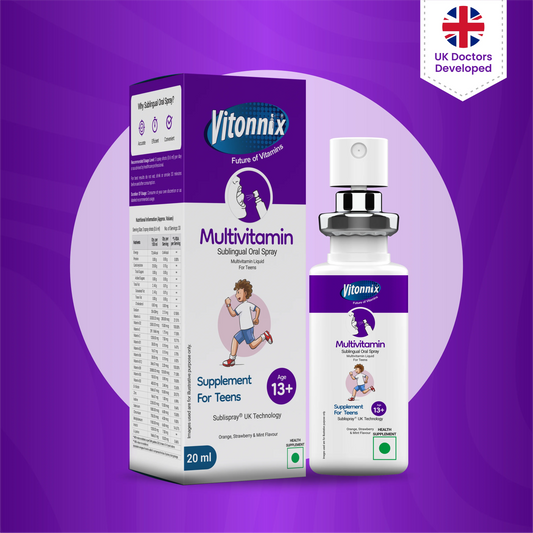
Vitonnix Multivitamin 3+ Sublingual Oral Spray is designed for children aged three years and above. It combines essential vitamins and minerals in a convenient spray format, making it an option for parents who prefer an alternative to conventional multivitamin tablets.
The formulation includes vitamins A, C, D2, E and B-complex vitamins, along with zinc and other nutrients such as magnesium, iodine, selenium and L-lysine.
Each of these nutrients plays a different role in normal growth and development.
-
Growth and bone health: Nutrients such as vitamin D, magnesium and other essential minerals contribute to healthy bone and muscle function.
-
Brain and nervous system support: B vitamins, iodine and other essential nutrients contribute to normal neurological function and development.
-
Immune function: Vitamins A, C, D and zinc help maintain normal immune system function.
-
Energy metabolism: B-complex vitamins help the body convert food into usable energy.
-
Everyday convenience: The spray format offers an alternative for children who dislike conventional tablets or certain liquid supplements.
The product features a strawberry, orange and mint fusion flavour, designed to make the supplement routine more pleasant for young children.
For parents seeking a kids multivitamin sublingual spray, a children's multivitamin oral spray or a convenient vitamin spray for toddlers aged three and above, Vitonnix Multivitamin 3+ provides an option to consider as part of an age-appropriate nutritional plan.
As with any supplement, parents should follow the product's recommended directions and consult a paediatrician when unsure about suitability, dosage or combining it with other supplements.
Building Healthy Eating Habits Alongside Supplementation
Good nutrition is not built around a single product or a perfect meal plan. It develops through everyday habits that children can maintain as they grow.
Here are a few simple ways parents can encourage healthier eating:
-
Offer variety without pressure: Introduce different foods gradually and allow children time to become familiar with new tastes.
-
Make meals colourful: Combine fruits, vegetables, grains and protein sources to make meals both nutritious and visually appealing.
-
Maintain regular meal routines: Consistent meal and snack timings can help children develop a healthier relationship with food.
-
Encourage active play: Outdoor activities, movement and age-appropriate physical play contribute to overall well-being.
-
Set a positive example: Children often become more interested in healthy foods when they see family members enjoying them too.
-
Focus on progress, not perfection: A child doesn't need to eat every food group perfectly at every meal. What matters is the overall dietary pattern over time.
Small, consistent changes can make a meaningful difference to a child's eating habits and help establish a healthier relationship with food.
Final Thoughts
Raising a healthy child isn't about preparing perfect meals every day or worrying over every uneaten bite. It's about understanding a child's changing nutritional needs and creating an environment where healthy habits can develop naturally.
A balanced diet should always come first. At the same time, when picky eating, dietary restrictions or specific nutritional concerns make it difficult to meet certain requirements, appropriate supplementation may offer additional support.
Vitonnix Multivitamin 3+ brings essential nutrients together in a convenient sublingual spray format designed for children aged three and above. For parents exploring practical options for their child's nutritional routine, it is one way to consider additional nutritional support while keeping balanced meals and healthy habits at the centre of everyday care.
Explore Vitonnix Multivitamin 3+
Discover Vitonnix Multivitamin 3+ Sublingual Oral Spray