
Multivitamin Deficiency in Teenagers: Health Risks and Nutritional Solutions

Share
Teenage is a very sensitive period in the life of any person. At this stage, the body requires adequate nutrients for physical development changes, hormonal changes and additional energy. Unfortunately, many teenagers do not consume the right amount of vitamins and minerals that their body requires hence the possibility of deficiency arises. Of these, lack of multivitamins can be more hazardous than others because they impact various functions and overall health. In such situations, the right health supplement can help bridge nutritional gaps and support healthy growth in teens.
This blog will unravel issues concerning the lack of multivitamins in teenagers, its effects, its reasons, and the possible ways of solving it will be highlighted.
Problems Due To Multivitamin Deficiency in Teenagers
- Weakness And Tiredness: Adolescents are always full of energy, but they get easily fatigued if they do not take foods that are rich in B-complex, Vitamin C and iron. Missing key teen multivitamins can affect a teen’s energy levels and concentration thereby, making them lazy.
- Growth And Development Problems: Calcium, Vitamin D and zinc are some of the vitamins that are used in body development and growth of bones. When these nutrients are missing one may develop bones that are not strong enough or other skeletal-related issues in the long run. This is very dangerous given that teenagers undergo tremendous growth development during puberty.
- Weakened Immune System: Some of the vitamins and minerals for teens which are important in boosting immunity are A, C, D and E; this means that, without these vitamins, teenagers are more vulnerable to diseases, sicknesses and long recovery. This can lead to the child having to miss school and other social activities that are important in their education and social calendar.
- Cognitive And Emotional Problems: The youth is increasingly developing anxiety about their psychological well-being. The absence of vitamins like B6, B12 and folates leads to changes in moods, anxiety, depression as well as possible cognitive issues. This is so because the teenage brain has not developed fully and therefore the nutrients which are essential for concentration and memory are lacking.
- Skin and Hair Issues: Juveniles are conscious about their body shape, and the deficiency of vital vitamins has some observable symptoms on the outside. Lack of vitamins for example vitamins A, E and biotin causes acne, dry skin, hair loss and brittle nails. Such problems can play a significant role in determining the self-esteem and confidence of a teenager.
In such scenarios thinking of a health supplement specially designed for teens is the best possible option.
Causes Of Multivitamin Deficiency in Teenagers
- Poor Dietary Choices: Teenagers have been on the receiving end of new brands such as fast foods, processed snacks and aerated drinks. They are often energy-dense but micronutrients empty and as a result, people end up with low intake of some essential vitamins and minerals.
- Busy Lifestyles: From school to other activities like sports, music, drama and other co-curricular activities most teenagers have very busy schedules. It can result in irregular meal-taking habits or the propensity to take foods laden with energy but low in nutrients. The absence of time to cook good food and a short time to go out and buy food to prepare multivitamins can also contribute to the issue.
- Increased Nutrient Needs: Teenage is a stage when the body requires more nutrients to feed the growth, hormonal changes and physical activities. The energy density of the diet during teenage years is high and this constrains the ability to meet the RDA for all the vitamins and minerals despite the adequate nutrient density of the diet.
- Dietary Restrictions: Adolescents and other individuals who go for vegetarian, vegan or other diets but do not consult dietitians may end up forgetting some essential multivitamins. For instance, vitamin B12 is derived from animal products, and where such products are missing in a vegetarian diet, then a deficiency is recorded.
- Inadequate Knowledge: Of course, a large number of teenagers and their parents cannot value the role of vitamins and minerals for teens in their diet. Ignorance of the right diet, the necessity of taking multivitamin tablets, and the outcome of deficiency of nutrients, may go unnoticed till some symptom arises.

Symptoms of Multivitamin Deficiency in Teenager
- General Weakness: Fatigue without any cause related to lack of sleep may also be a sign that one is deficient in vitamins.
- Slow Wound Healing: Some vitamins like C and K can help in the fast healing of wounds or injuries hence missing these vitamins may lead to slow healing.
- Frequent Illness: It is common for teens to develop frequent episodes of illnesses, or slow healing, due to this effect of the hormone.
- Mental Fog: Memory problems, the inability to concentrate, or to focus may signal a lack of sufficient vitamins that support the brain such as the B vitamin complex.
- Physical Appearance Changes: Splitting of nails, hair loss, acne, and pale skin are some of the signals that may result from low vitamins.
Advantages of Maintaining Proper Multivitamin Levels in Teenagers
- Improved Academic Performance: Vitamins like B complex and Omega 3 have benefits in enhancing cognition as it helps teenagers to focus and remember more. This means better grades and the capacity to deal with the demands of examinations and coursework.
- Enhanced Physical Development: Teenagers must ensure they take enough vitamin D, calcium, and zinc to support their bones and muscles to enable them to grow to their optimum. It also helps in avoiding bone-related complications and fractures in future ages.
- Better Immune Health: Teenagers also require a good immune system because they are constantly exposed to viruses and bacteria when they are in school. If they take their vitamins A, C, D, and E in the right proportions their immune system stays strong, thus they do not easily fall sick.
- Mental Health and Stable Mood: Some vitamins like the B group vitamins are important in enhancing moods and preventing episodes of mental breakdowns. B6, B12 and folate are some of the teen- vitamins that help in the brain and hormonal balance, which in turn enhances emotional health.
- Healthy Skin and Hair: Taking multivitamins results in healthy skin and excellent hair and this can give a teenager confidence. Vitamin A, E, and biotin are known to be very important in the health of the skin and hair.
Benefits of Addressing Multivitamin Deficiency Early
- Long-Term Health: When multivitamin deficiencies are treated during teenage, it is easy to lay a good health base for the future. The lifestyle adopted in adolescence is usually continued in the later years.
- Prevention of Serious Conditions: Preventive actions can avoid other health problems in the future due to timely intervention. For example, receiving sufficient vitamin D in teenagers increases the chances of not developing osteoporosis in future.
- Increased Self-Esteem and Confidence: Teens having more energy, clearer skin and better health feel good about themselves and can easily improve their social skills, performance in school and their attitude towards life.
- Positive Relationship with Food: Inculcating knowledge in teenagers about vitamins and nutrition can go a long way in ensuring a better understanding of food. This is a good way of preventing eating disorders such as eating because of the way one looks and eating because of the size one wants to attain.

The Ultimate Teen Multivitamin
The supplement market today indeed offers a huge variety of teen multivitamins. From large capsules to sugary gummies, juveniles are consuming all sort of nutritional supplements thinking they are getting the right amount of micronutrients requisite to maintain the daily multivitamins levels.
However, what is often missed out by parents and teens is that not every supplement offers the right nutrition at the right time in the right amount. Precision nutrition is the key to maintain a good health.
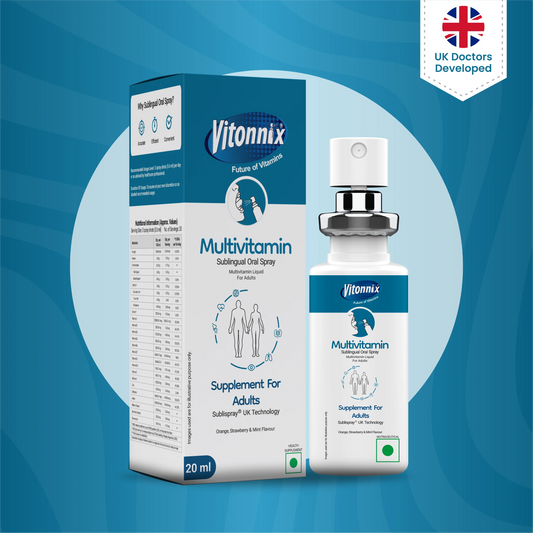
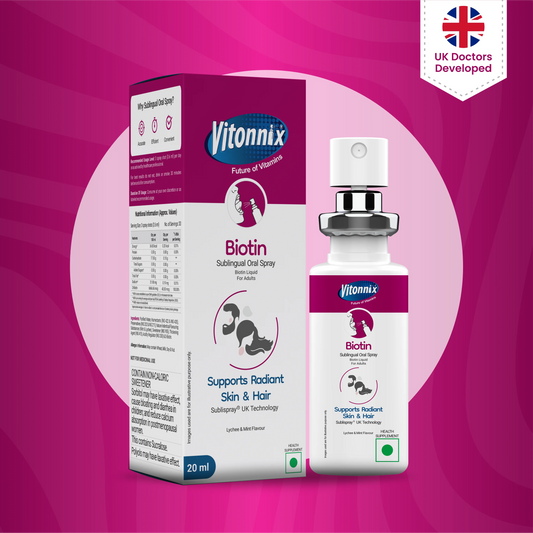
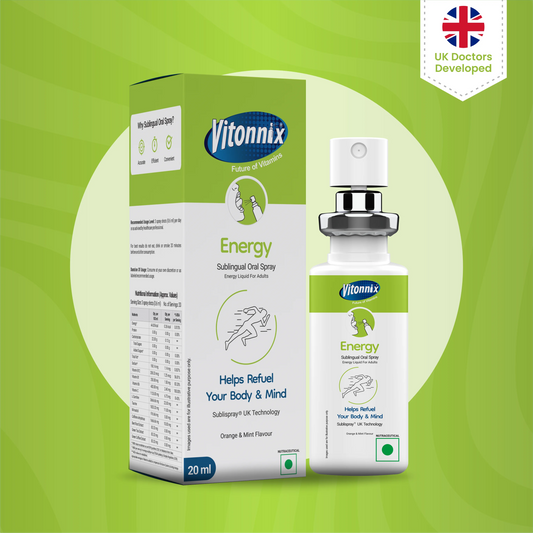
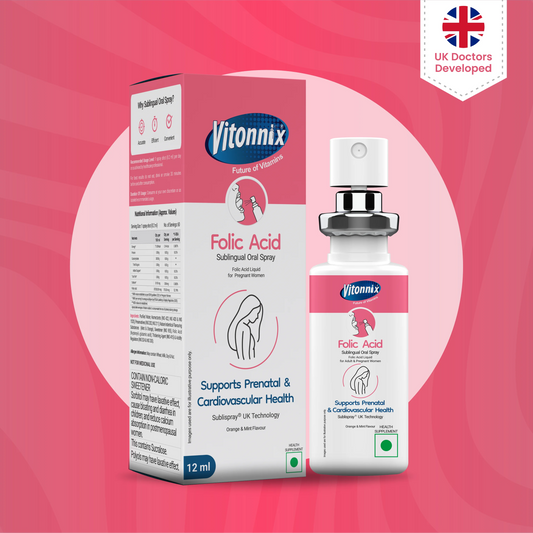
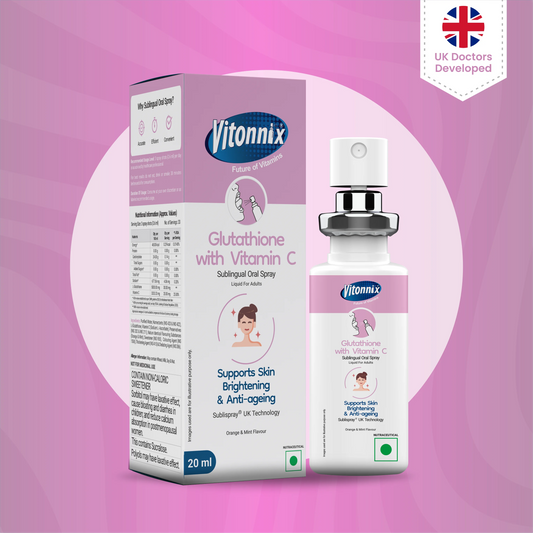
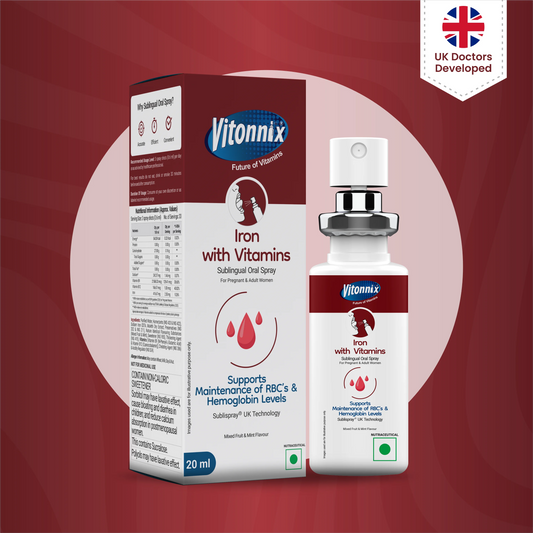
When it comes to effective micronutrient delivery, sublingual supplements such as those from Vitonnix stand out for their thoughtful formulation and efficient absorption.
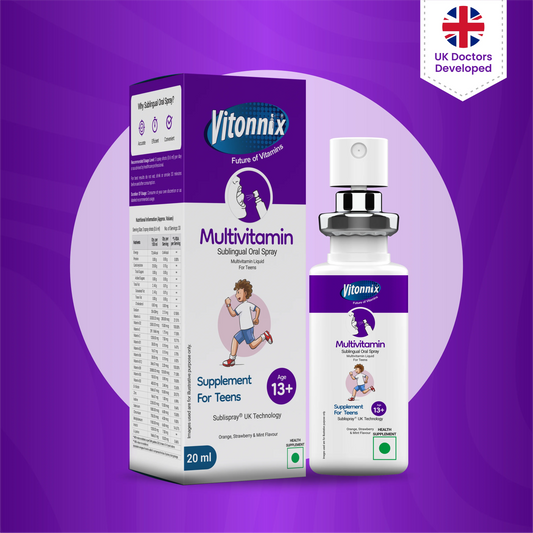
Vitonnix Multivitamin 13+, a unique sublingual multivitamin health supplement for teenagers that uses advanced sublispray technology to support the nutritional needs of teenagers during critical growth years. Sublingual vitamins offer a modern alternative to traditional tablets by delivering nutrients through the tissues under the tongue, allowing for faster and more efficient absorption.
Formulated by leading UK-doctors, it provides a balanced blend of 19 essential nutritional supplements that contribute to energy metabolism, immune function, cognitive performance, and bone health. The spray format of daily supplement intake is particularly suitable for teens who struggle with swallowing pills or maintaining daily supplement routines, making consistent nutritional support simpler, gentler, and more effective.
Conclusion
Teenage is a very sensitive stage in the growth of any individual and therefore it is of paramount importance that teenagers take multivitamins and other nutritional products. By recognizing the role of vitamins, the symptoms of deficiency and the ways to prevent it, teenagers will be able to maintain good health in the future. And it is not only to prevent getting sick; healthy eating makes teenagers successful in every sphere of life, including studying and communication.