
The Truth About Melatonin : Is It Safe for Daily Use? (Doctor-Reviewed Guide)

Share
In my years as a Food Scientist in India, I’ve seen a significant shift in how people approach sleep and rest. With demanding work schedules, screen exposure, stress, travel, and irregular routines, maintaining a consistent sleep cycle has become increasingly difficult for many people.
As a result, more people are turning to supplements for sleep support. Among the most widely discussed options is melatonin.
But one question comes up frequently: Is it safe to take a melatonin supplement every night?
The answer depends on factors such as dosage, duration of use, individual health conditions, medications, and the underlying reason for sleep difficulties. Understanding how melatonin works can help you make a more informed decision.
Understanding Melatonin
Melatonin is a hormone naturally produced by the body, primarily in response to darkness. It helps regulate the body's internal sleep-wake cycle, also known as the circadian rhythm.
Unlike traditional sedatives, melatonin does not simply "knock you out." Instead, it acts as a biological signal that tells your body that it is approaching bedtime.
When you take a melatonin supplement for sleep, you are essentially providing your body with additional melatonin to support its natural sleep timing.
For many healthy adults, short-term melatonin use is generally considered safe. It may be useful in situations such as occasional difficulty falling asleep, jet lag, shift work, or temporary disruptions to the sleep schedule.
However, using melatonin every night for an extended period should be approached thoughtfully. While melatonin is not generally considered addictive, continuously relying on a supplement without addressing the underlying causes of poor sleep may not be the most effective long-term approach.
Why Sleep Problems Happen
Poor sleep is not always caused by a lack of melatonin.
Factors such as stress, excessive screen time, late-night work, caffeine consumption, inconsistent bedtimes, travel, and an uncomfortable sleep environment can all affect sleep quality.
Certain medical conditions and medications may also contribute to ongoing sleep problems.
This is why melatonin should be viewed as sleep support rather than a complete solution. Building healthy sleep habits alongside appropriate supplementation can provide a more sustainable approach to better rest.
Is Melatonin Safe for Daily Use?
For many adults, short-term use of melatonin at appropriate doses is generally well tolerated. However, the right dose and duration can vary from person to person.
Taking more melatonin does not necessarily mean better sleep. Higher amounts may increase the likelihood of unwanted effects such as morning grogginess, headache, dizziness, or changes in sleep patterns.
If you find yourself needing melatonin every night for several weeks, it is worth considering why your sleep is consistently disrupted.
Persistent insomnia or poor sleep may require professional evaluation rather than simply increasing the supplement dose.
Quality and Delivery Matter
Another important consideration when choosing a sleep supplement is product quality and delivery format.
Traditional tablets and capsules must pass through the digestive system before their active ingredients become available to the body. Absorption can vary depending on several individual and digestive factors.
This is one reason some consumers prefer sublingual sleep aid formats.
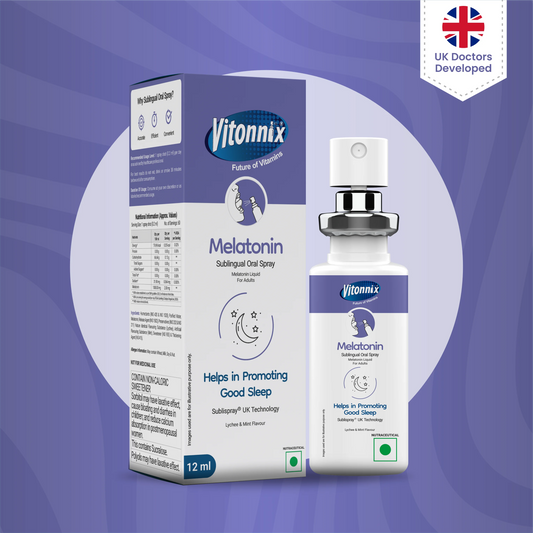
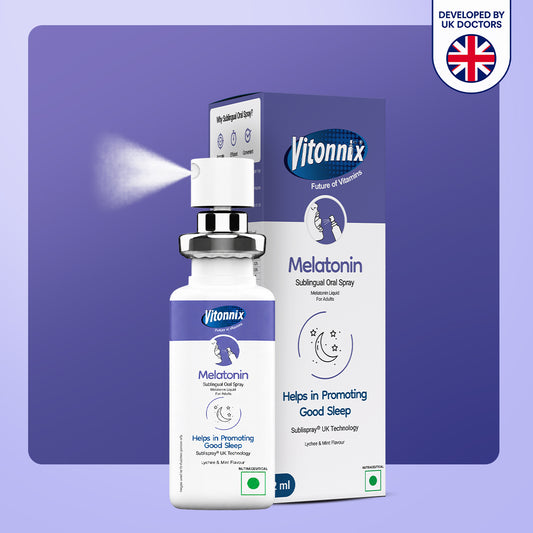
A melatonin oral spray, such as the Vitonnix Melatonin Sublingual Spray, is designed for use under the tongue. The formulation is intended to deliver melatonin through the tissues in the mouth, offering a convenient alternative to conventional tablets.
Key Benefits of a Sublingual Format
Rapid and Convenient Use:
A sublingual spray is easy to use as part of a bedtime routine and does not require swallowing a tablet.
Controlled Dosing:
A metered spray can provide a consistent amount of melatonin per serving, making it easier to follow the intended dosage.
Easy to Carry:
A compact melatonin spray for sleep can be convenient for travel, work trips, or maintaining a consistent nighttime routine away from home.
Simple Bedtime Routine:
The spray format can be incorporated into a broader sleep routine without adding complicated steps.
When Should You Consult a Professional?
Melatonin may be useful for temporary sleep support, but persistent sleep problems should not be ignored.
Consider speaking with a doctor or qualified healthcare professional if:
- Your sleep difficulties continue for more than 2–3 weeks.
- You regularly wake up during the night or feel exhausted despite getting enough time in bed.
- You are pregnant or breastfeeding.
- You have a chronic health condition.
- You take prescription medications.
- You are taking medicines such as blood thinners or blood-pressure medications that may potentially interact with melatonin.
A healthcare professional can help identify whether your sleep problems are related to your routine, medication, an underlying condition, or another factor.

How to Use Melatonin Safely
If you are considering a melatonin supplement for temporary sleep support, a few simple principles can help.
Start Low
More is not always better. Many people can benefit from relatively low amounts of melatonin. A commonly discussed starting range for adults is 1–3 mg, but the appropriate amount depends on the individual and the product.
Always follow the product's directions and consult a healthcare professional when unsure.
Take It at the Right Time
Melatonin works in relation to your body's sleep-wake cycle, so timing can matter. Taking it shortly before your intended bedtime may be appropriate for some products, while other situations may require different timing.
Follow the instructions provided with the specific formulation.
Focus on Sleep Hygiene
A melatonin natural sleep aid works best as part of a healthy bedtime routine rather than as a replacement for one.
Try to:
- Keep a consistent bedtime and wake-up time.
- Reduce bright screens before bed.
- Keep your bedroom dark, quiet, and comfortable.
- Avoid excessive caffeine late in the day.
- Give yourself time to relax before going to bed.
These simple habits can help support your body's natural sleep rhythm.
Melatonin Is Support, Not a Permanent Solution
Melatonin can be a useful tool for certain sleep-related situations, but it should not be viewed as a permanent solution to every sleep problem.
If your sleep schedule is irregular because of travel, shift work, occasional sleeplessness, or changes in routine, melatonin may provide temporary support.
However, if poor sleep continues night after night, identifying and addressing the underlying cause is more important than simply increasing your melatonin intake.

Choosing the Right Melatonin Format
When choosing a melatonin supplement, consider more than just the amount of melatonin per serving.
Look for a product with:
- Clearly stated dosage
- Consistent serving size
- Transparent ingredient information
- Appropriate quality standards
- A convenient format that fits your routine
A melatonin spray for sleep can be particularly convenient for people who prefer a compact, easy-to-use format.
The Vitonnix Melatonin Sublingual Spray is designed around this convenient sublingual delivery format, making it an option for those looking to incorporate melatonin into their nighttime routine.
Final Thoughts
Melatonin is a naturally occurring hormone that plays an important role in regulating the body's sleep-wake cycle. For many healthy adults, short-term supplementation can be a useful form of sleep support when used appropriately.
However, taking melatonin every night for an extended period should be approached carefully. The goal should not simply be to rely on a supplement, but to support healthy sleep habits and address the reasons behind ongoing sleep difficulties.
Whether you are exploring melatonin for sleep, looking for a convenient oral melatonin spray, or simply trying to improve your nighttime routine, choose a quality product, follow the recommended directions, and speak with a healthcare professional if your sleep problems persist.
Good sleep is not just about falling asleep it is about building a routine that supports your body's natural ability to rest and recover.