
Why Eating Healthy Isn’t Always Enough After 18: The Hidden Nutrient Gaps Most Adults Ignore

Share
You eat home-cooked food. You try to include vegetables in your meals. You avoid junk food most of the time. Maybe you even make an effort to start your morning with fruit, nuts or a healthy breakfast.
So why do you still feel tired by the afternoon?
Why does your concentration disappear halfway through the workday? Why do you sometimes feel like your energy is running on empty even after a full night's sleep?
The answer is not always about how much you eat. Sometimes, it is about what your diet is actually providing.
As we move into adulthood, our eating habits, routines and nutritional needs change. College gives way to work. Regular meals become rushed meals. Long days indoors replace outdoor time. Stress becomes part of the routine, and convenience often decides what ends up on the plate.
A person can therefore eat reasonably well and still have gaps in certain essential vitamins and minerals.
These gaps may not always cause an obvious health problem immediately. Instead, they can quietly affect the way you feel and function over time.

Your Body Needs More Than Calories
When people think about nutrition, they often focus on protein, carbohydrates, fats and calories.
But these are only part of the picture.
Your body also needs vitamins and minerals in relatively small amounts to support hundreds of everyday processes from energy metabolism and normal immune function to nervous system activity, blood formation, bone health and the maintenance of skin and other tissues.
These nutrients are called micronutrients.
The interesting part is that you do not need large quantities of them. But needing small amounts does not make them unimportant.
A diet can provide enough calories to keep you going while still being lacking in particular micronutrients.
That is one reason why simply eating enough food does not necessarily mean you are meeting all of your nutritional needs.
Why Nutrient Gaps Can Happen Even When You Eat Well
The idea that only people who eat junk food have nutritional deficiencies is misleading.
Nutrient gaps can develop for several reasons, including limited food choices, dietary restrictions, lifestyle, increased nutritional requirements and certain health conditions.
Eating the Same “Healthy” Foods Every Day
A healthy diet is not just about choosing healthy foods. Variety matters too.
Imagine someone who eats the same breakfast every morning, dal and roti for lunch, and a similar dinner every night. There may be nothing particularly unhealthy about those meals, but a repetitive diet can make it harder to consistently obtain the full range of nutrients the body needs.
Different foods provide different nutrients.
That is why dietary diversity matters.
Busy Schedules Change the Way We Eat
Adult life often comes with a completely different relationship with food.
Breakfast gets skipped because of an early meeting. Lunch happens at the desk. Dinner is ordered late. A cup of coffee replaces a proper snack, and weekends become the time to “make up” for the week.
It is not necessarily one unhealthy meal that creates a nutritional problem.
It is the pattern that develops over months and years.
Dietary Choices Can Leave Certain Nutrients Behind
Vegetarian and vegan diets can absolutely be nutritious when properly planned. However, people following restricted diets may need to pay particular attention to nutrients that are more commonly obtained from certain animal-derived foods, such as vitamin B12.
Similarly, people who avoid dairy, seafood, grains or other food groups for personal or dietary reasons may need to consider where they are getting the nutrients those foods normally provide.
Indoor Lifestyles Matter Too
Modern adulthood often means spending most of the day indoors - travelling to work, sitting in an office, working from home and spending evenings indoors again.
This is particularly relevant to vitamin D, because the body can produce vitamin D when skin is exposed to sunlight.
Your lifestyle therefore becomes part of your nutritional picture.
The Nutrients Adults Shouldn’t Overlook
There is no universal list of nutrients that every adult is deficient in. Nutritional needs vary from person to person.
However, certain vitamins and minerals deserve particular attention because they play important roles in everyday health.
Vitamin D
Vitamin D contributes to normal bone and muscle function and supports normal immune function. Limited sun exposure is one factor that can contribute to inadequate vitamin D status.
Vitamin B12
Vitamin B12 is involved in normal red blood cell formation and the functioning of the nervous system. It is particularly important for people whose diets contain little or no animal-derived food.
Iron
Iron is essential for haemoglobin formation and oxygen transport. Inadequate iron intake can be particularly relevant for women who lose iron through menstruation.
Zinc
Zinc contributes to normal immune function and is involved in numerous processes related to metabolism, cell function and tissue maintenance.
Magnesium
Magnesium contributes to normal muscle and nerve function and is involved in energy metabolism and numerous biochemical reactions throughout the body.
Vitamins C and E
Both vitamin C and vitamin E contribute to the body's antioxidant defence systems. Vitamin C also supports normal collagen formation and immune function.
The important point is not to look at these nutrients individually and assume that taking more is always better.
Nutrition is about balance.

When Your Body Starts Sending Signals
Nutritional gaps are not always easy to recognise.
Feeling tired, experiencing difficulty concentrating, or noticing changes in your hair, skin or nails can have many causes. Stress, poor sleep, dehydration, an unhealthy routine and several medical conditions can produce similar symptoms.
That is why it is not useful to automatically blame every symptom on a vitamin deficiency.
At the same time, persistent changes should not simply be ignored.
If fatigue or other symptoms continue despite adequate sleep and a healthy lifestyle, speaking with a healthcare professional can help identify the actual cause. Depending on the situation, they may recommend dietary changes or appropriate testing.
Food Should Always Come First
There is an important distinction between eating well and supplementing well.
Whole foods provide much more than individual vitamins and minerals. They also provide protein, fibre, essential fats and a wide range of naturally occurring compounds that work together as part of a healthy diet.
That is why a multivitamin should never be presented as a replacement for vegetables, fruits, whole grains, pulses, nuts, seeds or other nutritious foods.
Instead, supplementation can play a supporting role when everyday eating habits do not consistently provide all the nutrients a person needs.
Think of it as filling nutritional gaps - not replacing the meal itself.
Why Convenience Matters More Than We Think
Knowing what your body needs is one thing.
Actually following a nutritional routine every day is another.
This is where convenience becomes important.
A supplement that is difficult to swallow, easy to forget or simply doesn't fit into your routine is unlikely to become a consistent habit.
This is one reason vitamin and multivitamin sprays have become an interesting alternative to traditional tablets and capsules.
The format is simple, quick and easy to incorporate into a busy day.
And when it comes to nutrition, consistency often matters more than complexity.
A Simpler Approach to Everyday Multivitamin Support
For adults over 18, a daily multivitamin can be a practical way to complement an otherwise balanced diet - particularly when maintaining dietary variety every single day is difficult.
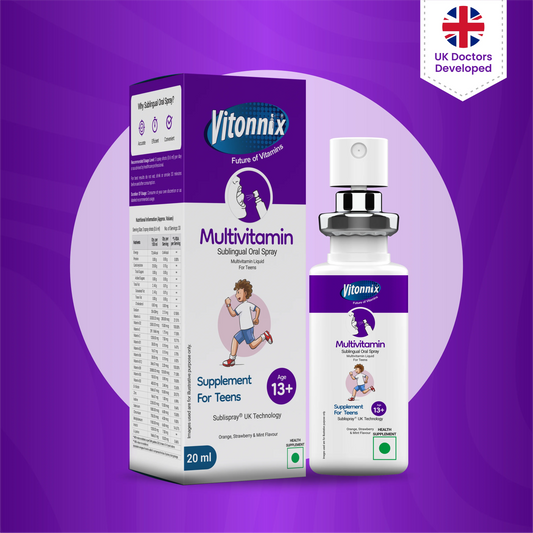
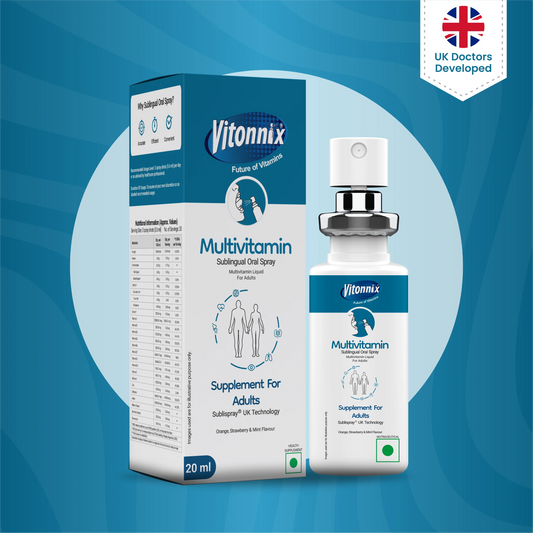
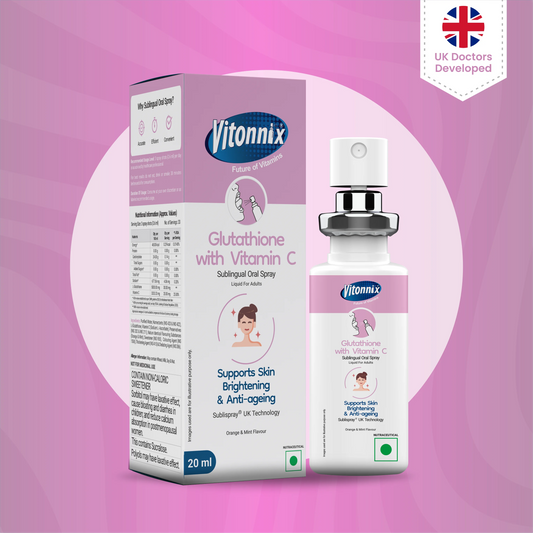
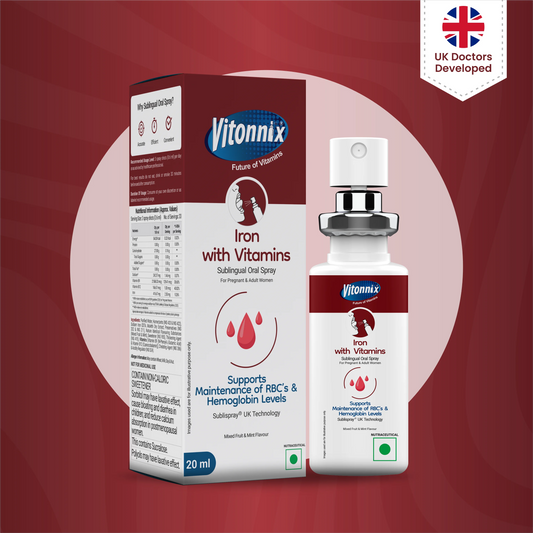
This is where Vitonnix Multivitamin 18+ fits into the routine.
Designed for adults aged 18 and above, it provides 23 essential vitamins and minerals in a convenient spray format.
Instead of adding another conventional tablet to your daily routine, Vitonnix offers a simple spray-based approach to everyday nutritional support.
It is designed for modern adults who want to keep their daily nutrition simple without making supplementation feel like another task on their to-do list.
The Bigger Picture
Eating healthy is not about achieving a perfect diet every single day.
It is about giving your body a wide variety of nutritious foods, maintaining healthy habits and recognising when your lifestyle may be creating nutritional gaps.
After 18, life becomes busier. Your responsibilities change, your routine changes and, often, your diet changes with it.
That does not mean your food is failing you.
It simply means that good nutrition requires attention to the bigger picture.
Build your diet around nutritious whole foods. Get enough sleep. Stay active. Spend time outdoors when possible. And when your diet has gaps, consider whether additional nutritional support makes sense for you.
Because taking care of your nutrition as an adult is not about waiting until something feels wrong.
It is about building habits that support your health before your body has to ask for them.